
Sustainable Waste Management Solutions for a Greener Future

Managing waste effectively is one of the most pressing challenges of our time. As populations grow and consumption increases, the amount of waste generated continues to rise. This calls for innovative and eco-friendly approaches to waste disposal and recycling. Green waste solutions are essential to reduce environmental impact and promote a healthier planet. This article explores practical strategies and insights into sustainable waste management that can help build a greener future.
The Importance of Green Waste Solutions
Green waste solutions focus on managing organic waste such as garden clippings, food scraps, and other biodegradable materials. These solutions are vital because organic waste makes up a significant portion of the total waste produced globally. When improperly disposed of, green waste contributes to methane emissions, a potent greenhouse gas that accelerates climate change.
Implementing green waste solutions offers several benefits:
Reduces landfill use: Diverting organic waste from landfills decreases the volume of waste and extends landfill lifespan.
Lowers greenhouse gas emissions: Proper composting and recycling reduce methane production.
Improves soil health: Compost created from green waste enriches soil with nutrients.
Supports circular economy: Recycling organic waste promotes resource efficiency and sustainability.
Communities and businesses can adopt various green waste solutions such as composting, anaerobic digestion, and mulching to manage organic waste responsibly.
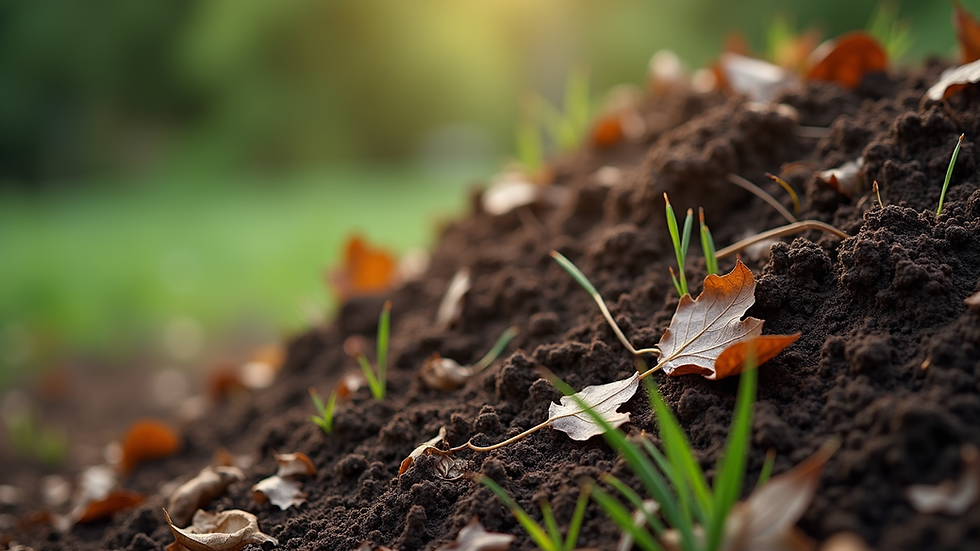
Effective Green Waste Solutions for Homes and Businesses
Both households and commercial entities can play a significant role in green waste management. Here are some practical green waste solutions that can be implemented easily:
1. Home Composting
Home composting is a simple and effective way to recycle kitchen scraps and garden waste. It involves creating a compost bin or heap where organic materials break down naturally into nutrient-rich soil.
Use kitchen scraps like vegetable peels, coffee grounds, and eggshells.
Add garden waste such as grass clippings, leaves, and small branches.
Turn the compost regularly to aerate and speed up decomposition.
Avoid adding meat, dairy, or oily foods to prevent pests.
2. Community Composting Programs
Local councils or community groups can establish composting sites where residents drop off green waste. This collective approach increases composting capacity and encourages community participation.
3. Commercial Anaerobic Digestion
Businesses, especially in the food industry, can use anaerobic digestion to process organic waste. This technology breaks down waste in oxygen-free environments, producing biogas for energy and digestate for fertiliser.
4. Mulching and Soil Amendment
Green waste can be shredded and used as mulch to protect soil, retain moisture, and suppress weeds. This method is particularly useful in landscaping and agriculture.
5. Green Waste Collection Services
Many local authorities offer green waste collection services, making it easier for residents and businesses to dispose of organic waste responsibly.
By adopting these solutions, waste generation can be significantly reduced, and valuable resources can be recovered.

What is sustainable waste management?
Sustainable waste management refers to the process of handling waste in ways that protect the environment, conserve resources, and promote social and economic well-being. It involves reducing waste generation, reusing materials, recycling, and recovering energy from waste, all while minimising negative impacts.
Key principles of sustainable waste management include:
Waste hierarchy: Prioritising waste prevention, followed by reuse, recycling, recovery, and disposal as a last resort.
Resource efficiency: Maximising the use of materials and energy to reduce environmental footprint.
Pollution prevention: Minimising harmful emissions and contamination.
Community involvement: Engaging stakeholders in waste reduction and management efforts.
Sustainable waste management is not just about disposing of waste but transforming it into valuable resources. For example, composting organic waste returns nutrients to the soil, while recycling materials like paper and plastic reduces the need for virgin resources.
For more detailed insights and practical tips on sustainable waste management, visit this resource.

Challenges and Innovations in Green Waste Management
Despite the benefits, green waste management faces several challenges:
Contamination: Non-organic materials mixed with green waste can hinder composting and recycling processes.
Lack of awareness: Many people are unaware of how to properly separate and dispose of green waste.
Infrastructure limitations: Some areas lack facilities for composting or anaerobic digestion.
Cost concerns: Setting up and maintaining green waste programs can be expensive.
However, innovations are helping to overcome these obstacles:
Smart waste sorting technologies: Automated systems use sensors and AI to separate waste more efficiently.
Mobile apps and education campaigns: These tools raise awareness and guide proper waste disposal.
Decentralised composting units: Small-scale composters for homes and communities reduce transportation needs.
Policy incentives: Governments offer grants and tax breaks to encourage green waste management initiatives.
By embracing these innovations, communities can improve green waste handling and contribute to environmental sustainability.
Practical Tips for Individuals to Support Green Waste Solutions
Everyone can contribute to greener waste management by adopting simple habits:
Separate your waste: Use designated bins for organic waste to avoid contamination.
Start composting: Even small-scale composting at home can make a difference.
Reduce food waste: Plan meals and store food properly to minimise scraps.
Use green waste services: Participate in local collection or drop-off programs.
Educate others: Share knowledge about the benefits of green waste solutions.
By taking these steps, individuals help reduce landfill pressure and promote a circular economy.
Moving Towards a Greener Future
The future of waste management lies in sustainable practices that prioritise environmental health and resource conservation. Green waste solutions are a critical part of this transition. By adopting composting, recycling, and innovative technologies, society can reduce its ecological footprint and foster a cleaner, greener planet.
Embracing sustainable waste management is not just an option but a necessity for future generations. Together, through informed choices and collective action, a greener future is within reach.


Comments