
Local Waste Management Services Designed for Your Community

Effective waste management is essential for maintaining clean, healthy, and sustainable communities. Every neighbourhood faces unique challenges when it comes to waste disposal, recycling, and environmental protection. Tailored community waste services ensure that these challenges are met with practical, efficient solutions that benefit residents and the environment alike.
Understanding Community Waste Services and Their Importance
Community waste services are designed to handle the collection, processing, and disposal of waste generated within a specific locality. These services are vital for several reasons:
Environmental Protection: Proper waste management reduces pollution and conserves natural resources.
Public Health: Efficient waste removal prevents the spread of diseases and pests.
Aesthetic Value: Clean streets and public spaces improve the quality of life and community pride.
Resource Recovery: Recycling and composting reduce landfill use and promote sustainability.
Local councils and private companies often collaborate to provide these services, adapting their methods to the needs of the community. For example, some areas may require more frequent collections due to higher population density, while others might focus on composting organic waste to support local agriculture.
How Community Waste Services Operate
Community waste services typically include several key components:
Waste Collection
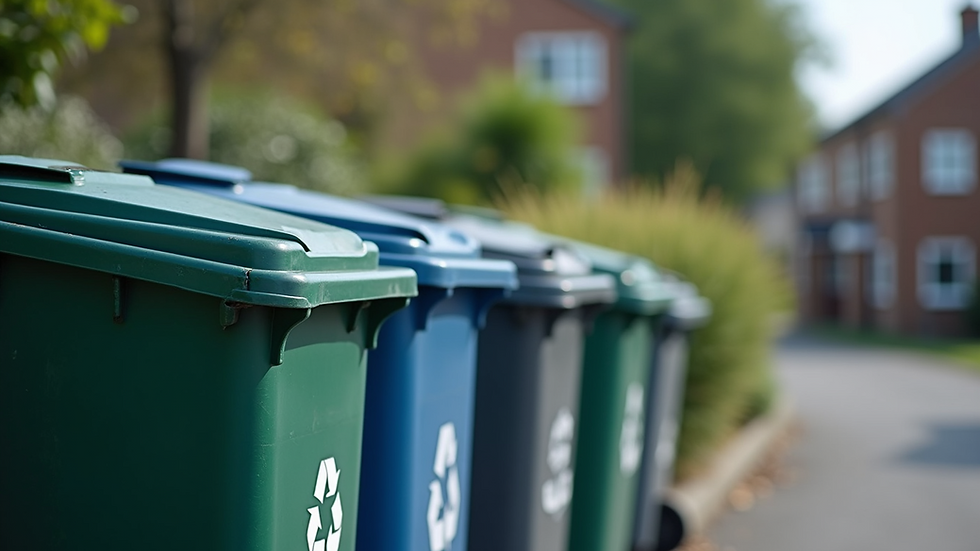
Scheduled pickups for household rubbish, recycling, and garden waste. These collections are often segregated to encourage recycling and reduce landfill use.
Recycling Programmes
Facilities and initiatives that encourage residents to separate recyclable materials such as paper, plastics, glass, and metals.
Composting Services
Collection and processing of organic waste to create compost, which can be used in local parks and gardens.
Hazardous Waste Disposal
Special arrangements for disposing of items like batteries, chemicals, and electronics safely.
Public Awareness Campaigns
Education on waste reduction, recycling, and responsible disposal practices.
For example, a community might implement a fortnightly recycling collection alongside weekly general waste pickups. They may also provide residents with compost bins and organise hazardous waste drop-off days.

Who Collects Waste in My Area?
Knowing who is responsible for waste collection in your area is crucial for proper disposal. Typically, waste collection is managed by:
Local Authorities: Most councils provide waste collection services for residents. They set schedules, provide bins, and manage recycling programmes.
Private Companies: In some areas, private waste management firms handle collections, especially for commercial properties or specialised waste.
Community Initiatives: Some communities organise local clean-up events or cooperative waste management schemes.
To find out who collects waste in your area, check your local council’s website or contact their environmental services department. They will provide information on collection days, accepted materials, and any special disposal instructions.
For example, Dorset residents can visit the local waste management services page to learn about collection schedules and recycling options.

Practical Tips for Maximising Your Community Waste Services
To make the most of community waste services, consider the following tips:
Sort Your Waste Properly: Separate recyclables, compostables, and general waste according to local guidelines.
Reduce Waste Generation: Buy products with minimal packaging and reuse items when possible.
Use Designated Bins: Place waste in the correct bins to avoid contamination and ensure efficient processing.
Participate in Local Programmes: Join community clean-ups, composting initiatives, or hazardous waste collection days.
Stay Informed: Keep up to date with any changes in collection schedules or recycling rules.
For example, placing food scraps in a compost bin rather than the general waste bin can significantly reduce landfill contributions and support local green spaces.
The Future of Community Waste Services
As environmental concerns grow, community waste services are evolving to become more sustainable and efficient. Innovations include:
Smart Bins: Equipped with sensors to monitor fill levels and optimise collection routes.
Enhanced Recycling Technologies: Improved sorting and processing to increase recycling rates.
Community Engagement Platforms: Apps and websites that provide real-time information and encourage resident participation.
Zero Waste Initiatives: Programmes aimed at reducing waste generation to near zero.
Communities that embrace these advancements can expect cleaner environments, reduced costs, and stronger local engagement in sustainability efforts.
By understanding and actively participating in your community waste services, you contribute to a cleaner, healthier, and more sustainable environment. Whether through proper sorting, timely disposal, or supporting local initiatives, every action counts towards building a better community for all.


Comments