
Professional Demolition Services for Every Project

When it comes to construction, renovation, or land clearing, professional demolition is a crucial step. It requires precision, safety, and expertise to ensure the project runs smoothly and efficiently. Whether you are tearing down a small structure or clearing a large site, expert demolition solutions can save you time, money, and stress.
Why Choose Expert Demolition Solutions?
Choosing expert demolition solutions means opting for safety, efficiency, and professionalism. Demolition is not just about knocking down walls or buildings; it involves careful planning, risk assessment, and the use of specialised equipment. Experts understand the complexities of different materials and structures, ensuring that the demolition process is controlled and environmentally responsible.
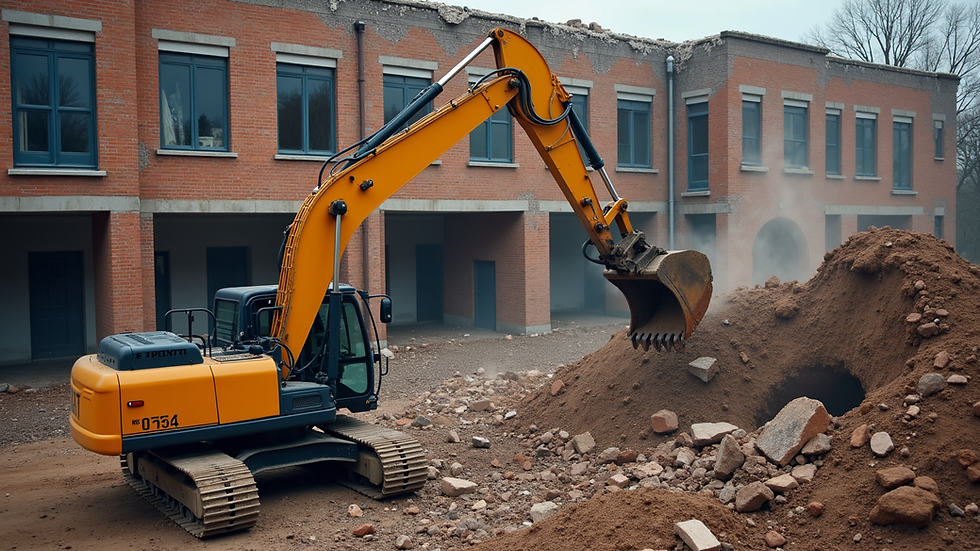
Professional teams use advanced machinery such as excavators, wrecking balls, and hydraulic breakers to handle various demolition tasks. They also follow strict safety protocols to protect workers and the surrounding community. This reduces the risk of accidents and damage to neighbouring properties.
Moreover, expert demolition solutions include waste management and site clearance. After demolition, the site is left clean and ready for the next phase of construction or landscaping. This comprehensive approach saves clients from the hassle of dealing with debris and permits.
Types of Demolition Services Available
Demolition projects vary widely depending on the size, location, and purpose. Here are some common types of demolition services offered by professionals:
Selective Demolition: This involves removing specific parts of a building, such as interior walls or fixtures, without affecting the rest of the structure. It is often used in renovations or retrofitting projects.
Structural Demolition: Complete removal of a building or structure. This is common in redevelopment projects where old buildings are replaced with new ones.
Industrial Demolition: Specialised demolition of factories, plants, or warehouses. It requires handling hazardous materials and heavy machinery.
Residential Demolition: Demolition of houses, garages, or small residential buildings. This type often requires careful handling to avoid disturbing neighbours.
Land Clearing: Removing trees, shrubs, and debris to prepare land for construction or agriculture.
Each type requires different techniques and equipment, which is why hiring experts is essential. They assess the project needs and recommend the best approach to minimise disruption and maximise safety.

How do you calculate demolition cost?
Understanding how demolition costs are calculated helps in budgeting and planning your project. Several factors influence the overall price:
Size and Type of Structure: Larger buildings or those made with reinforced concrete or steel are more expensive to demolish.
Location and Accessibility: Urban areas with limited access or strict regulations may increase costs due to logistical challenges.
Materials and Waste Disposal: The type of materials and the volume of debris affect disposal fees. Hazardous materials like asbestos require special handling.
Permits and Regulations: Obtaining necessary permits and complying with local laws can add to the cost.
Labour and Equipment: The complexity of the demolition determines the number of workers and machinery needed.
Site Preparation and Cleanup: Clearing the site and preparing it for the next phase is often included in the cost.
For example, demolishing a small residential property might cost less than £5,000, while large commercial demolitions can run into tens of thousands of pounds. It is advisable to get detailed quotes from professional demolition companies to understand the breakdown of costs.

Safety Measures in Professional Demolition
Safety is the top priority in any demolition project. Professional demolition teams follow strict guidelines to protect workers, the public, and the environment. Some key safety measures include:
Risk Assessment: Identifying potential hazards before starting work.
Personal Protective Equipment (PPE): Ensuring all workers wear helmets, gloves, masks, and other safety gear.
Controlled Demolition Techniques: Using methods that minimise dust, noise, and vibrations.
Hazardous Material Handling: Proper removal and disposal of asbestos, lead paint, and other dangerous substances.
Site Security: Fencing off the area to prevent unauthorised access.
Emergency Preparedness: Having plans in place for accidents or unexpected events.
By adhering to these safety protocols, professional demolition companies reduce the risk of injury and legal issues. This also ensures the project stays on schedule without costly delays.
How to Choose the Right Demolition Company
Selecting the right demolition company is essential for a successful project. Here are some tips to help you make an informed decision:
Check Experience and Credentials: Look for companies with a proven track record and proper licences.
Request References and Reviews: Feedback from previous clients can reveal the company’s reliability and quality of work.
Evaluate Equipment and Technology: Modern machinery and techniques improve efficiency and safety.
Ask About Insurance and Compliance: Ensure the company has adequate insurance coverage and follows local regulations.
Get Detailed Quotes: Compare prices and services to find the best value.
Discuss Waste Management: Confirm how the company handles debris and recycling.
Taking these steps will help you find a demolition partner who meets your project’s needs and standards.
For those interested in professional demolition services, consider reaching out to demolition services providers who offer comprehensive solutions tailored to your project.
Preparing Your Site for Demolition
Before demolition begins, proper site preparation is crucial. This includes:
Utility Disconnections: Ensuring gas, water, electricity, and other services are safely disconnected.
Permits and Notifications: Obtaining necessary permits and informing neighbours or local authorities.
Salvage and Recycling: Identifying materials that can be reused or recycled to reduce waste.
Site Inspection: Checking for hazardous materials and structural stability.
Setting Up Safety Barriers: Installing fencing and signage to secure the area.
Preparing the site thoroughly helps prevent delays and ensures a smooth demolition process.
Professional demolition is a complex task that requires expertise, planning, and attention to detail. By choosing expert demolition solutions, you can ensure your project is completed safely, efficiently, and within budget. Whether you need selective demolition, full structural removal, or land clearing, professional teams are equipped to handle every challenge.
For more information or to schedule a consultation, contact trusted demolition services today and take the first step towards a successful project.


Comments